
Facebook Twitter Youtube Instagram
Search
  • Home
  • About Us
  • Campaigns
    • Ban Highly Hazardous Pesticides
    • Protect Our Children
    • Women Rise Up
    • Agroecology In Action
    • No Land, No Life
  • Resources
  • Media
    • Media Release
    • Features
  • Get Involved
    • Donate
    • Sign Our Petition
    • Subscribe
    • Join our Events
Menu
  • Home
  • About Us
  • Campaigns
    • Ban Highly Hazardous Pesticides
    • Protect Our Children
    • Women Rise Up
    • Agroecology In Action
    • No Land, No Life
  • Resources
  • Media
    • Media Release
    • Features
  • Get Involved
    • Donate
    • Sign Our Petition
    • Subscribe
    • Join our Events
  • Home
  • About Us
  • Campaigns
    • Ban Highly Hazardous Pesticides
    • Protect Our Children
    • Women Rise Up
    • Agroecology In Action
    • No Land, No Life
  • Resources
  • Media
    • Media Release
    • Features
  • Get Involved
    • Donate
    • Sign Our Petition
    • Subscribe
    • Join our Events
Menu
  • Home
  • About Us
  • Campaigns
    • Ban Highly Hazardous Pesticides
    • Protect Our Children
    • Women Rise Up
    • Agroecology In Action
    • No Land, No Life
  • Resources
  • Media
    • Media Release
    • Features
  • Get Involved
    • Donate
    • Sign Our Petition
    • Subscribe
    • Join our Events

by PAN Asia Pacific
May 13, 2026
in Update
Share on FacebookShare on Twitter

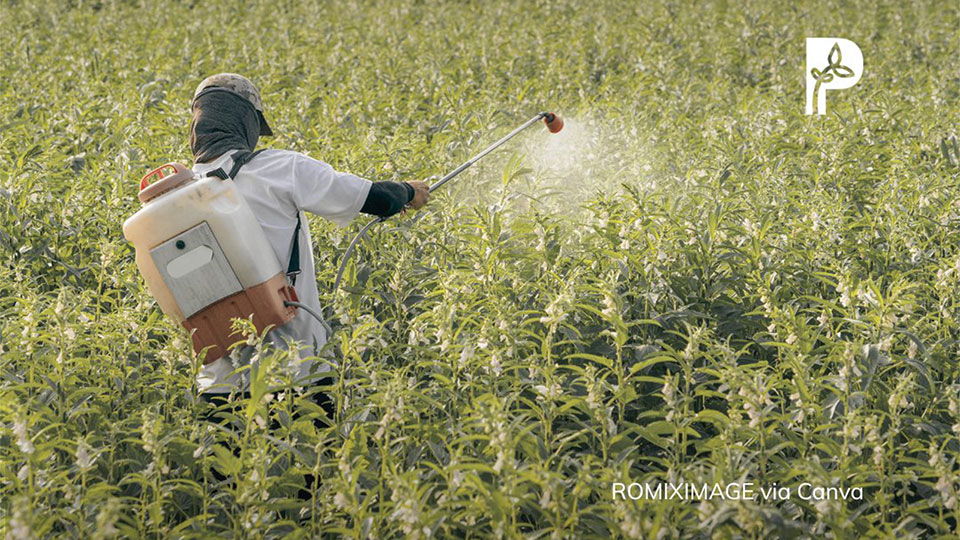
India’s most widely used herbicide, paraquat dichloride, is set to face a nationwide ban following mounting evidence of its severe health risks—including fatal poisoning, kidney failure, and Parkinson’s disease. The move comes after an expert panel of doctors and agricultural scientists recommended its complete prohibition.

Classified as a highly hazardous pesticide (HHP), paraquat has remained in widespread use across India’s farms despite its toxicity. In recent years, calls for a ban have intensified, with states such as Telangana and Odisha imposing temporary restrictions on its sale and distribution.

PAN Asia Pacific commends the Indian government’s decision to ban paraquat. At the same time, we urge policymakers to ensure a just transition for farmers and food producers from chemical-based agriculture to agroecology—a safe, sustainable approach that secures food for communities without reliance on harmful chemicals. Farmer welfare and environmental protection must take precedence over corporate profit, and agricultural companies that profit from manufacturing poison must be held accountable.

As pressure builds from lawmakers, medical associations, and advocacy groups, the paraquat debate highlights a broader reckoning with pesticide regulation in India. In March, Syngenta—one of the major producers of paraquat—announced it will cease production by the end of June. Yet the global call for a complete ban continues, underscoring the urgent need for stronger protections for farmers, communities, and ecosystems worldwide.
Tags: Ban Highly Hazardous Pesticides
ShareTweetPin
Previous Post

“Vaasikkalaam Vaanga” Community Library Opens Doors to Learning in Kallaru, Tamil Nadu

No Result
View All Result

Recent Posts

  • (no title)
  • “Vaasikkalaam Vaanga” Community Library Opens Doors to Learning in Kallaru, Tamil Nadu
  • Defending Agricultural Workers’ Rights and Justice
  • New Factsheet: GMOs & GMO+
  • Earth Day Call: Transforming Food Systems Through Agroecology

Categories

  • Announcement
  • Blog
  • Concept Note
  • Declaration
  • Feature
  • Media
  • Policy Advocacy
  • Publication
  • Uncategorized
  • Update
  • Video
  • Webinar

Our Campaigns

Ban Highly Hazardous Pesticides

Pesticides are a major health and environmental threat that must be eliminated
READ MORE

Protect Our Children

How children are impacted by pesticides and how we can protect them
READ MORE

Agroecology In Action

The movement for an alternative to chemical-based, corporate agriculture
READ MORE

No Land, No Life

Communities fighting back against land and resource grabbing
READ MORE

Women Rise Up

Rural women assert their rights to to health, safe environment and sustainable livelihoods.
READ MORE

Archives

Get Involved

  • Donate
  • Sign Petition
  • Subscribe
  • Join our Events

Connect with our Social Networks

Facebook Twitter Youtube Instagram

Networks, Partnerships and Portals

Pesticide Action
Network International

Our Fields, Our Health: Communities Monitoring Pesticide Impacts

International People's
Agroecology Movements

Coalition of Agricultural
Workers International

Asian Rural Women's Coalition

Contact

Mailing Address:
48-1,  Persiaran Mutiara 1, Pusat Komersial Bandar Mutiara, 14120 Simpang Ampat, Penang, Malaysia

Telephone: +604 5022337  

Email: info@panap.net

Copyright © 2020 · PANAP · All Rights Reserved.

Logo

[ Placeholder content for popup link ] WordPress Download Manager - Best Download Management Plugin

This website uses cookies. By continuing to use this website you are giving consent to cookies being used. Visit our Privacy and Cookie Policy.