


Acute Poisoning
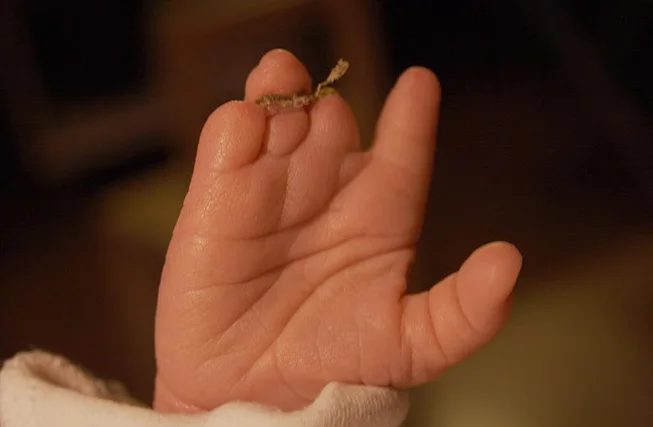
Birth Defects

Cancer
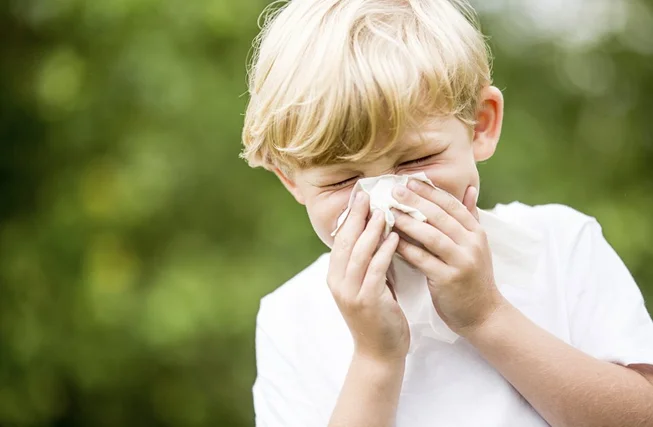
Asthma, Allergies and Immune System Problems

Obesity, Diabetes and Metabolic Disorders
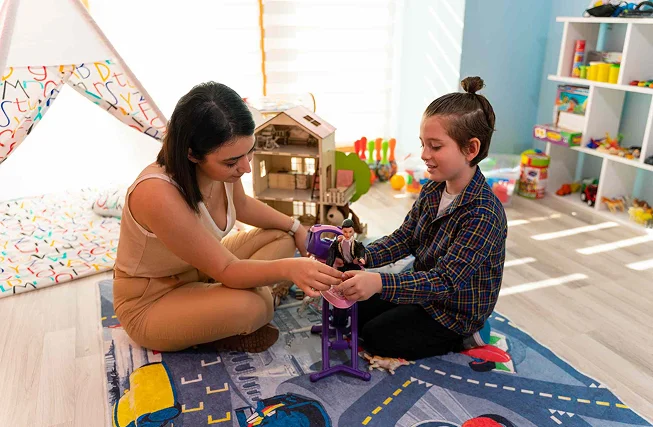
Neuro Developmental and Behavioral Disorders
 Factsheets
Women’s Rights on the Line: How Women Defend Land and Life
Read More Agroecology In Action
Imagining A World Without Militarism: Grassroots Perspectives
Read More Agroecology In Action
The Perils of Neoliberal Capitalism: Women’s Lives on the Line
Read More No Land, No Life
Seeking Justice for Marriage Migrants in Asia: Realities and Remedies
Read More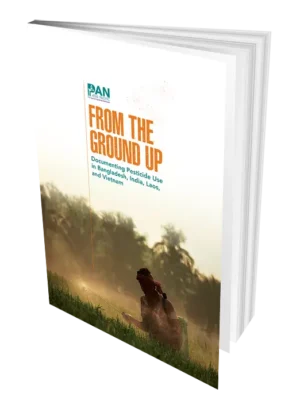 Ban Highly Hazardous Pesticides
From The Ground Up: Documenting Pesticide Use in Bangladesh, India, Laos, and Vietnam
Download PDF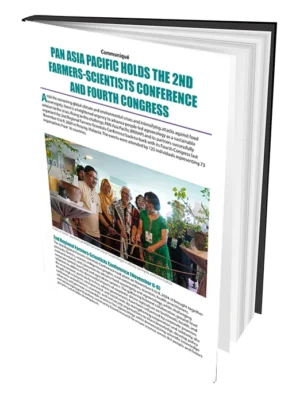 Agroecology In Action
PAN Asia Pacific Holds the 2nd Farmers-Scientists Conference and Fourth Congress
Download PDF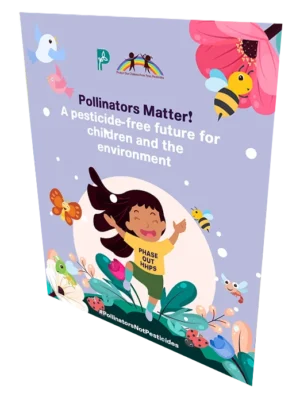 poster
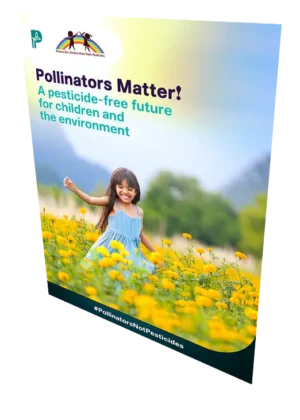
Pollinators Matter! A pesticide-free future for children and the environment [Poster 1]
Download PDF
 poster
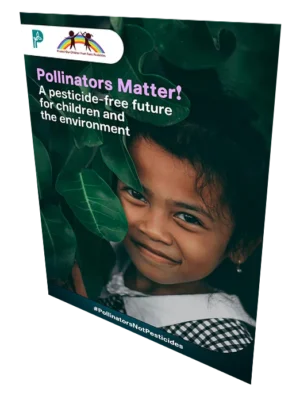
Pollinators Matter! A pesticide-free future for children and the environment [Poster 2]
Download PDF
 poster
Pollinators Matter! A pesticide-free future for children and the environment [Poster 3]
Download PDF
 poster
#PollinatorsNotPesticides [Streamer]
Download PDF
 poster
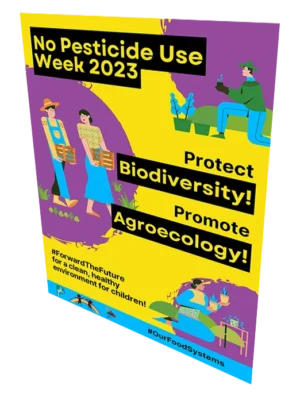
No Pesticide Use Week 2023: #ForwardTheFuture for a clean, healthy environment for children! [Poster]
Download PDF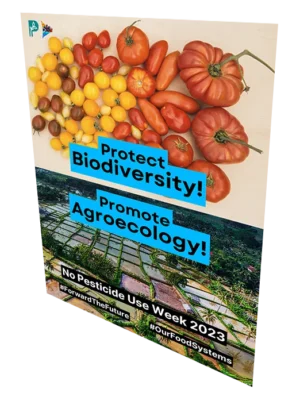 poster
No Pesticides Use Week 2023 [Poster]
Download PDF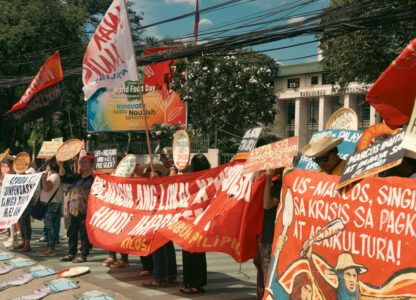 Media
End IMF–World Bank policies that perpetuate…
October 16, 2026
PENANG, Malaysia - On October 16, governments and international institutions…
Read more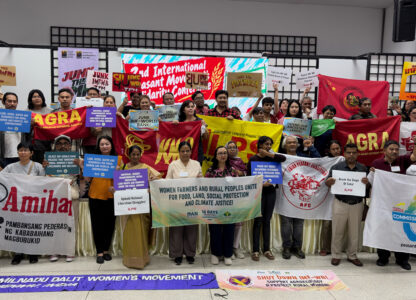 Media
Recognition Is Not Enough: Rural Women…
October 15, 2026
As the world marks the International Day of Rural Women…
Read more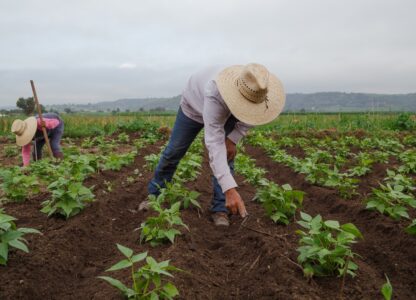 Media
Almost half of the world’s farmers…
September 2, 2026
A new study published in Frontiers in Public Health shows that…
Read more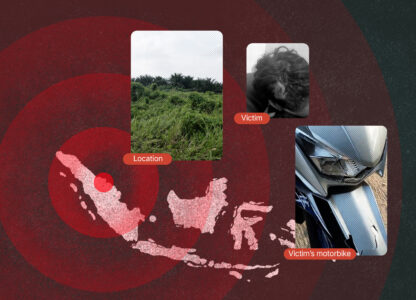 Media
PANAP condemns palm oil violence against…
July 16, 2026
PENANG, Malaysia – PAN Asia Pacific (PANAP) joins our partners…
Read more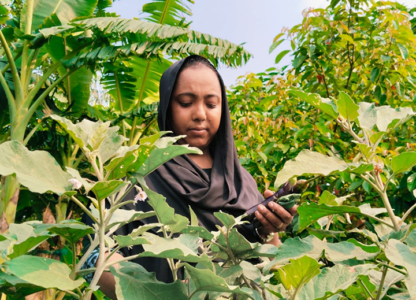 Feature
400 Women, 1000 Gardens: How Agroecology…
July 7, 2026
“As a community leader, I always try to share what…
Read more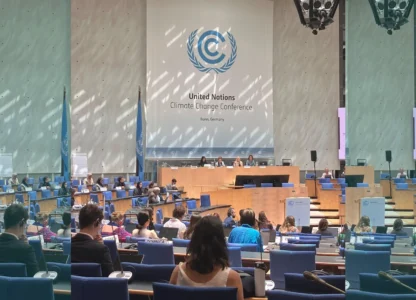 Feature
Agroecology marginalized: Why SB64 fell short…
June 29, 2026
The 64th Sessions of the UNFCCC Subsidiary Bodies (SB64) in…
Read more Media
World Environment Day 2026: Agroecology as…
June 5, 2026
PENANG, Malaysia – As the world marks World Environment Day,…
Read more Media
From Resistance to Transformation: 44 Years…
May 28, 2026
Today, 28 May 2026, we celebrate the 44th anniversary of…
Read more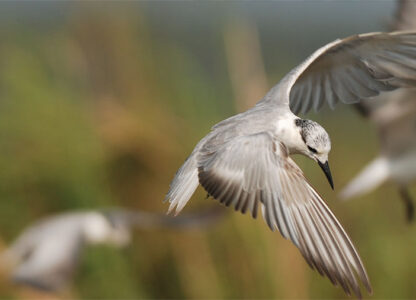 Update
Celebrating Biodiversity Day: Avian Diversity in…
May 22, 2026
On this World Biodiversity Day, PAN Asia Pacific and Thanal…
Read more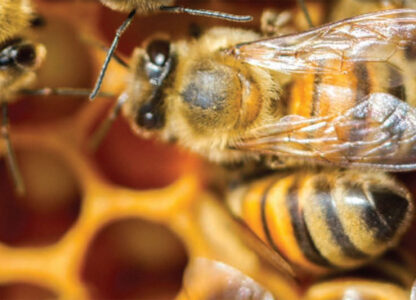 Update
Protect the Pollinators: Standing Up for…
May 20, 2026
Bees are vital pollinators essential for the growth of many…
Read more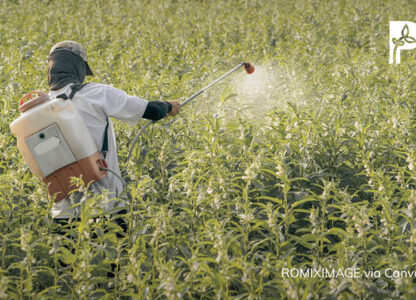 Update
Victory for farmers and communities: India…
May 13, 2026
India’s most widely used herbicide, paraquat dichloride, is set to…
Read more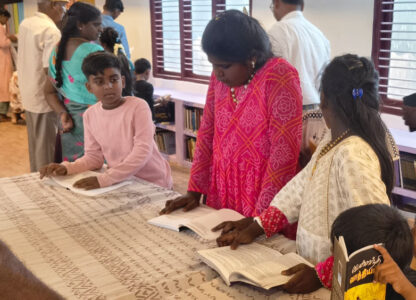 Update
“Vaasikkalaam Vaanga” Community Library Opens Doors…
May 4, 2026
A community library titled “Vaasikkalaam Vaanga” was inaugurated in Kallaru,…
Read more