About Us

Who We Are

PAN Asia Pacific (PANAP) is one of five regional centres of Pesticide Action Network, a global network dedicated to the elimination of harm upon humans and the environment by pesticide use, and to the promotion of biodiversity-based ecological agriculture.

PANAP’s vision is a society that is truly democratic, equal, just, culturally diverse, and based on food sovereignty, gender justice and environmental sustainability.

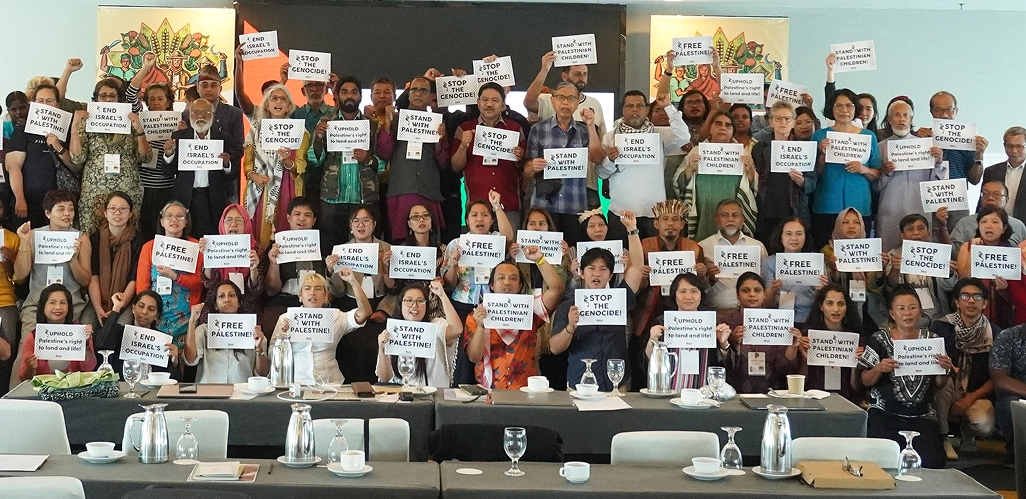
PANAP delegates at a network gathering holding placards in solidarity with Palestine

What We Do

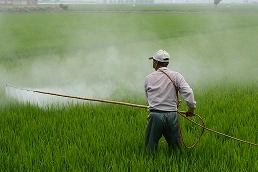
A farmworker spraying pesticide across a rice field

We monitor the impacts of Highly Hazardous Pesticides (HHPs) on women, children, small food producers, and indigenous peoples; advocating for their phase-out at national and international levels.
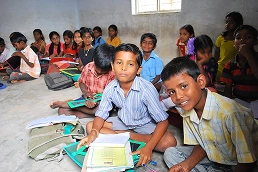
Schoolchildren seated on the floor of a rural classroom

We campaign for pesticide-free school zones and safe environments while raising public awareness of pesticide harms.
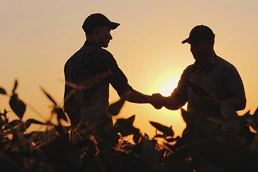
Two farmers shaking hands in a field at sunset

We partner with farmers to advance sustainable, ecological food production, food sovereignty, and genuine agrarian reform and rural development.
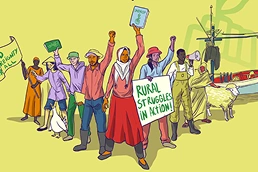
Illustration of rural people marching with placards reading “Rural Struggle in Action”

We support peasants, indigenous peoples, and small food producers through grassroots campaigns, documentation of human rights violations, and policy advocacy.
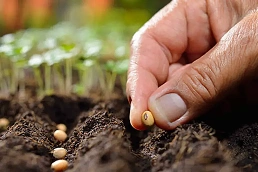
A hand sowing seeds into soil beside young seedlings

We oppose corporate agriculture, seed monopolies, land and resource grabs, and neoliberal policies that undermine people’s interests.

Illustration of five women’s faces in profile

We empower rural communities and strengthen women’s leadership and youth initiatives in agroecology, health, and justice.

Illustration of rural people marching with placards reading “Rural Struggle in Action”

We campaign for climate justice by linking pesticide reduction, agroecology, and communities’ assertion of their right to food, land, and resources to the fight against climate change and to building collective resilience.
Our Network

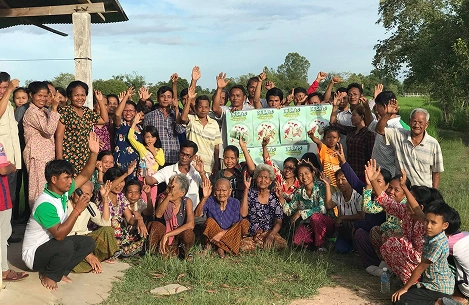
Community empowerment is at the core of social change. PANAP has developed strong partnerships with movements of youth, peasants, agricultural workers, indigenous peoples, fisher folk, rural women and other small food producers throughout the Asia Pacific region.

Guided by and working closely with these grassroots groups, PANAP has over time built its reputation and credibility as a regional advocacy network.

PANAP is currently comprised of 109 partner organisations from the Asia Pacific region and has links with about 400 other regional and global civil society and grassroots organisations.

A rural community gathered outdoors, hands raised, holding campaign posters

Steering Council

The Steering Council serves as PANAP’s highest governing body. It holds the ultimate legal authority and is responsible for shaping policies and programmes, guiding network expansion, ensuring representation, and overseeing other key organizational functions.

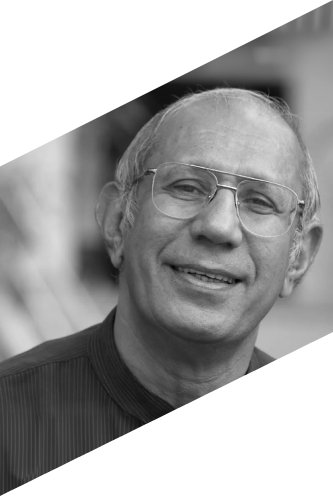
Anwar Fazal

Peoples’ TransAction, Malaysia

Portrait of Glorene Das

Glorene Das

Tenaganita, Malaysia

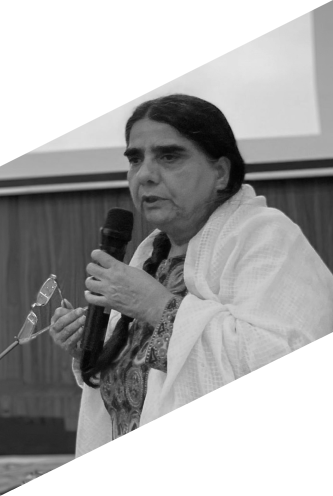
Portrait of Satnam Kaur

Satnam Kaur

Malaysia

Portrait of Fatima Burnad

Fatima Burnad

Society for Rural Education and Deveplopment (SRED), India

Portrait of Jayakumar Chelaton

Jayakumar Chelaton

Thanal, India

Portrait of Nasira Habib

Nasira Habib

Khoj Society for People’s Education, Pakistan

Portrait of Chathu Sewwandi

Chathu Sewwandi

Vikalpani Women’s Federation, Sri Lanka

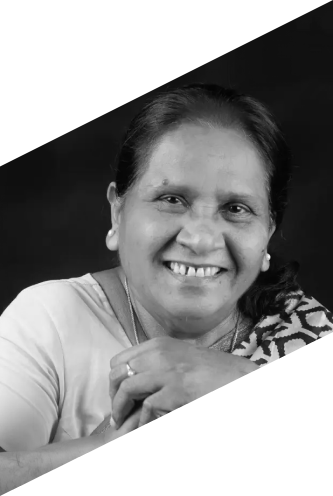
Portrait of Yang Hongyan

Yang Hongyan

Pesticide Eco-Alternatives Center (PEAC), China

Portrait of Lynn Redoble

Lynn Redoble

Community Medicine Development Foundation, Philippines

Portrait of Indrani Thuraisingham

Indrani Thuraisingham

ERA Consumer, Malaysia
Secretariat

Portrait of Sarojeni Rengam

Sarojeni Rengam

Executive Director

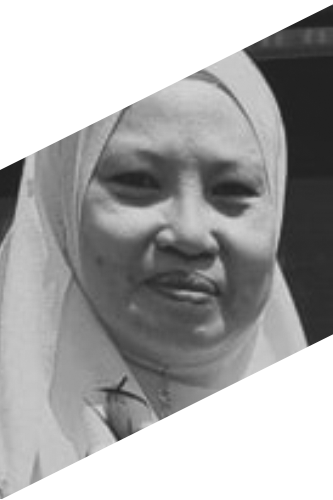
Portrait of Rosmah Ismail

Rosmah Ismail

Administrative and Finance Director

Portrait of Yanes Govindaraj

Yanes Govindaraj

Executive Assistant

Portrait of Arnold Padilla

Arnold Padilla

Food Sovereignty Programme Coordinator

Portrait of Diana Bando

Diana Bando

Programme Officer

Portrait of Muhamad Nazri Bin Romzi

Muhamad Nazri Bin Romzi

Finance Officer

Portrait of Marjo Busto

Marjo Busto

Gender Officer

Portrait of Dinesh Rajendran

Dinesh Rajendran

Programme Officer

Portrait of Rona Pizarro

Rona Pizarro

Information and Communication Officer
Our History

May 1982

Establishment of Pesticide Action Network

Establishment of Pesticide Action Network — May 1982

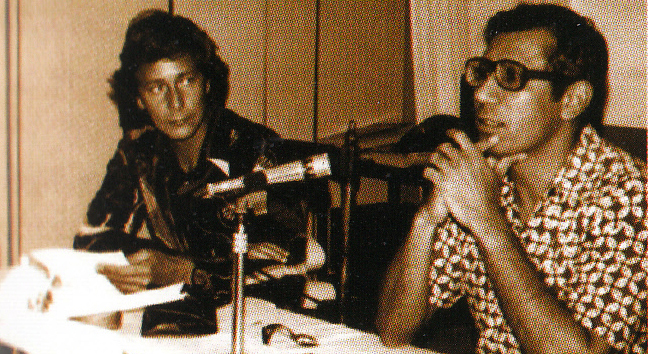
It began in May 1982, when 30 civil society groups from 16 countries gathered in Penang, Malaysia to forge a common strategy to address the growing global pesticide threat. The meeting, hosted by the Asia Pacific Regional Centre of the International Organisation of Consumers Union (IOCU, which is now Consumers International) and Sahabat Alam (Friends of the Earth Malaysia), launched Pesticide Action Network (PAN).

May 1982

Dirty Dozen Campaign

Dirty Dozen Campaign — May 1982

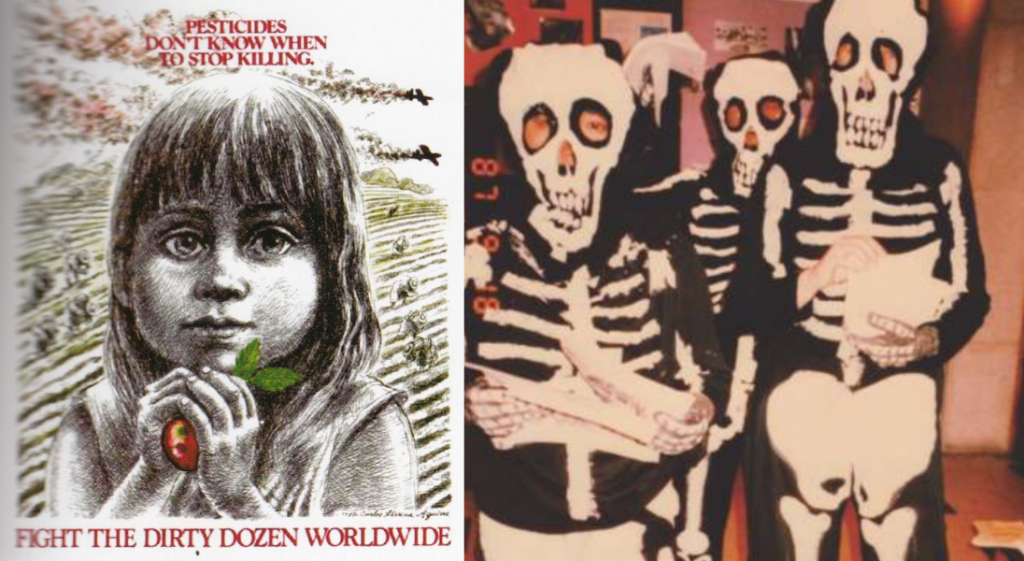
In 1985, PAN launched the “Dirty Dozen Campaign” to stop the production and sale of 12 hazardous pesticides, which were widely used in banana, rubber, tea and cotton plantations in developing countries, and have caused many deaths and extensive environmental damage. Over the years, the campaign brought significant success. After a decade, 90 countries had banned or severely restricted the Dirty Dozen pesticides.

1989

Prior Informed Consent & Pesticide Code

Prior Informed Consent & Pesticide Code — 1989

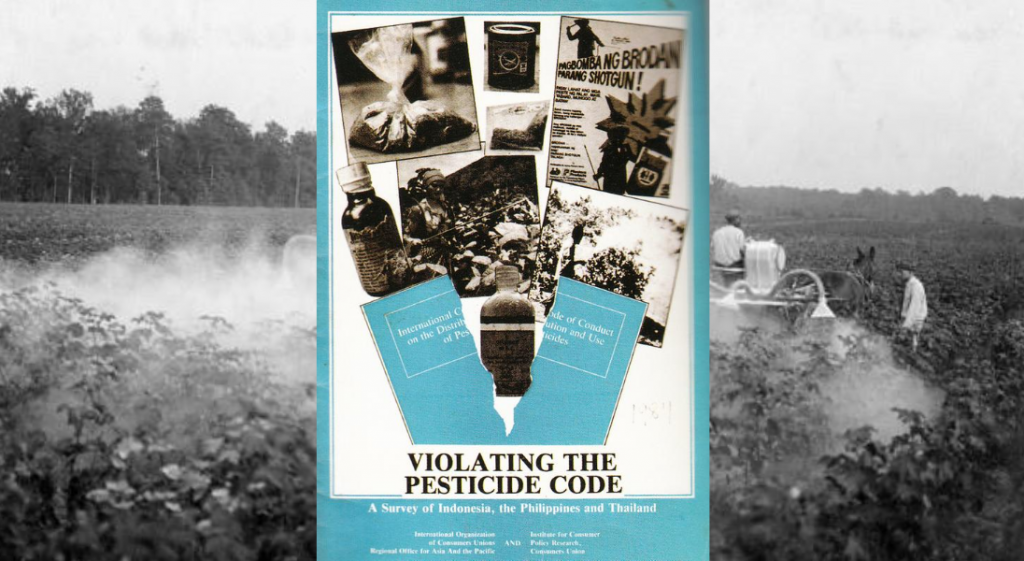
PAN first worked on and presented the concept of Prior Informed Consent (PIC) to the UN FAO and UNEP in 1985. The PIC meant that a pesticide cannot be exported to any country without its consent and without sharing information. In 1989, the FAO and UNEP finally incorporated PIC into the International Code of Conduct on the Use and Distribution of Pesticides. It was PAN’s first success at international advocacy. The report “Violating the Pesticide Code,” which monitored pesticides use in Indonesia, Thailand and the Philippines, was used to lobby for the inclusion of PIC into the Code.

1992

Establishment of PAN Asia Pacific

Establishment of PAN Asia Pacific — 1992

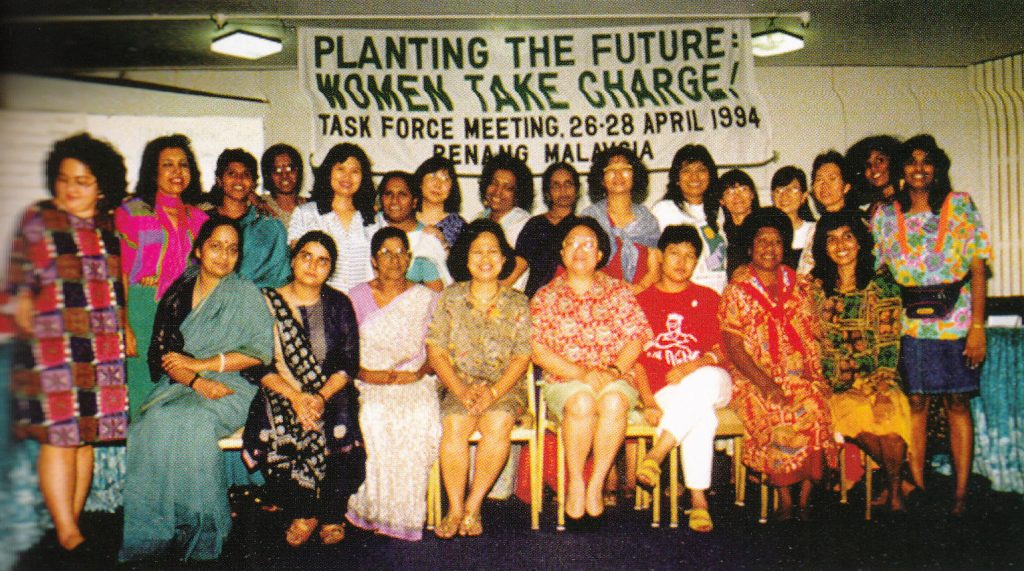
PAN Asia Pacific was established as an independent PAN regional center. Its initial focus was women’s exposure to pesticides. With a large number of women working in farms and plantations, this was a major problem in the region, but remained marginalised in policymaking, male-dominated communities, and even in mainstream women’s movements.

1992

World Conference on Women

World Conference on Women — 1992

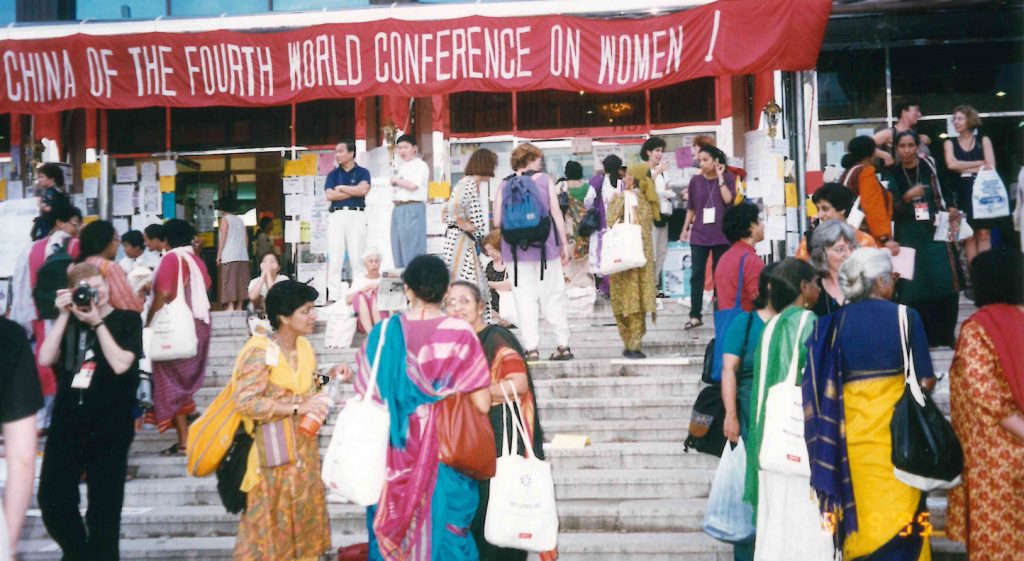
PANAP actively participated in the Fourth UN World Conference on Women held in Beijing in 1995, and the processes leading up to the conference. Its involvement in the Beijing process placed rural women’s issues on the global agenda and was the start of its advocacy to mainstream rural women’s problems.

1996

Safe Food Campaign

Safe Food Campaign — 1996

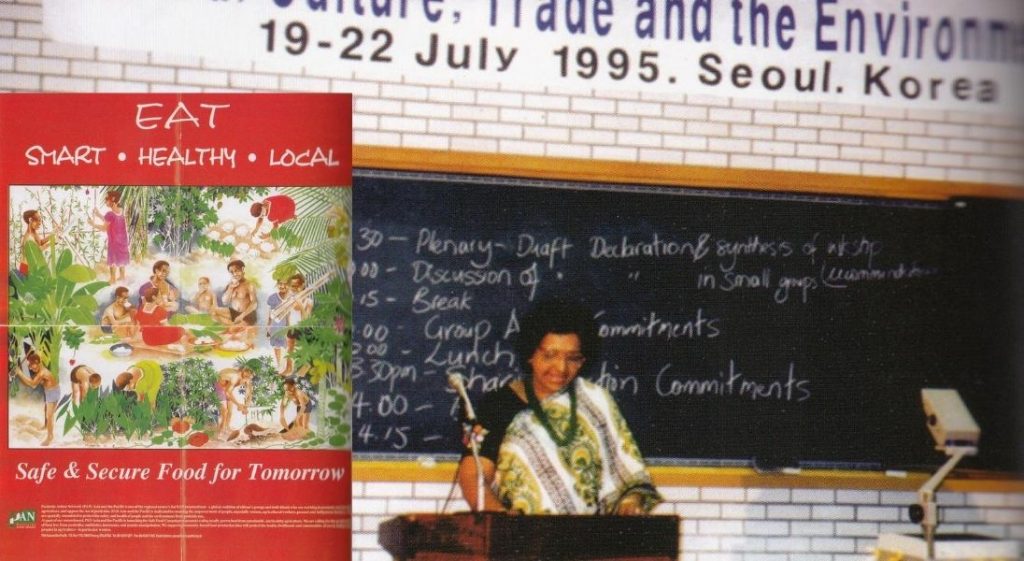
PANAP and its partners launched the “Safe Food Campaign” in time for the UN FAO World Food Summit in Rome, Italy. The campaign was borne out of the Conference on Food, Culture, Trade and Environment in Seoul, Korea in 1995, wherein farmers, fisherfolk, consumers, women, and environmentalists called for sustainable food production and consumption and fair and just trade. A public outreach campaign, partners from different countries launched their own actions based on the theme. It was the first of many such regional campaigns that PANAP would lead.

1998

Rotterdam Convention

Rotterdam Convention — 1998

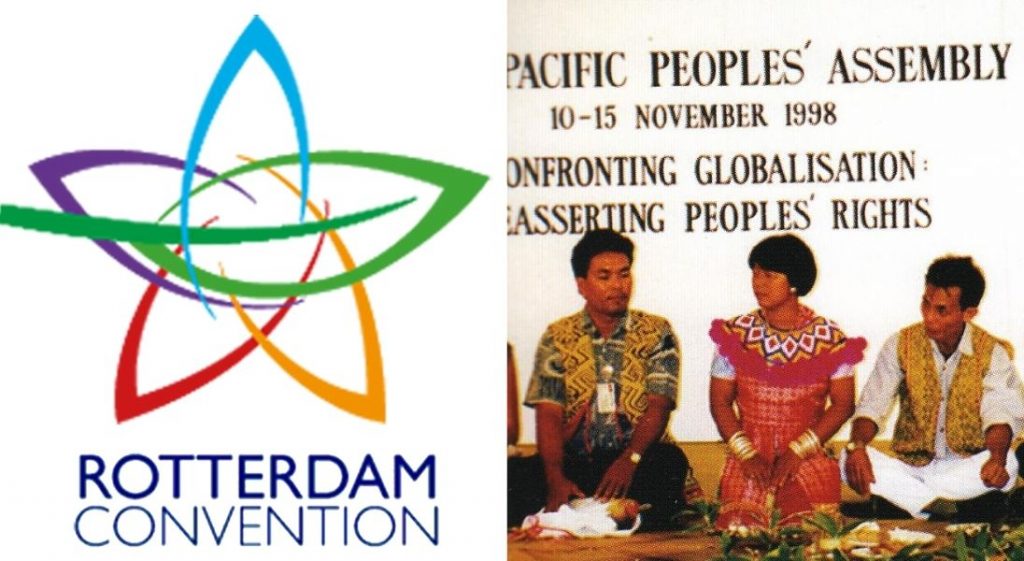
After more than a decade of lobbying, the Rotterdam Convention on Prior Informed Consent finally became a treaty—a major milestone for PAN’s advocacy work on pesticides. That same year, amid the onslaught of the Asian financial crisis, PANAP became part of the Asia-Pacific People’s Assembly in Kuala Lumpur, which had participants from over 300 organisations in 30 countries. PANAP held a forum focusing on globalisation and its effects on the land and resources of the rural poor—and began to situate itself in larger, more political struggles.

2000

People’s Caravan for Land and Food Without Poisons

People’s Caravan for Land and Food Without Poisons — 2000

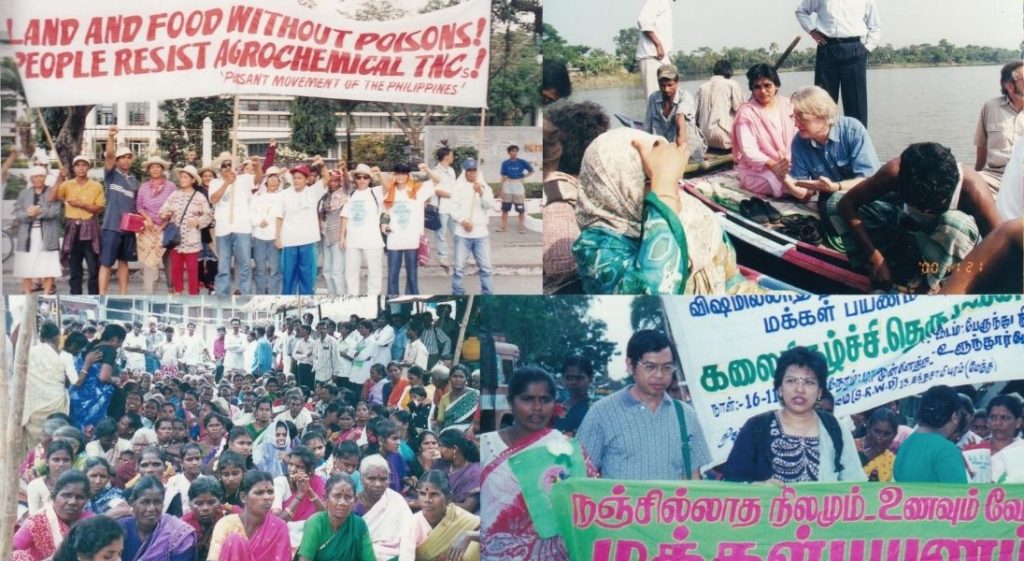
The Safe Food Campaign evolved into a major regional mass mobilisation: the People’s Caravan for Land and Food Without Poisons. Walking through towns and 250 villages on an 18-day, 2500-kilometer journey from South India to Bangladesh, the People’s Caravan carried a loud and clear message to reject pesticides, resist agrochemical corporations, and to practice sustainable agriculture and celebrate food cultures. Around 50,000 people joined rallies, public meetings, seminars, film and food festivals, cultural shows, and talks with public officials.

2003

First PANAP Congress

First PANAP Congress — 2003

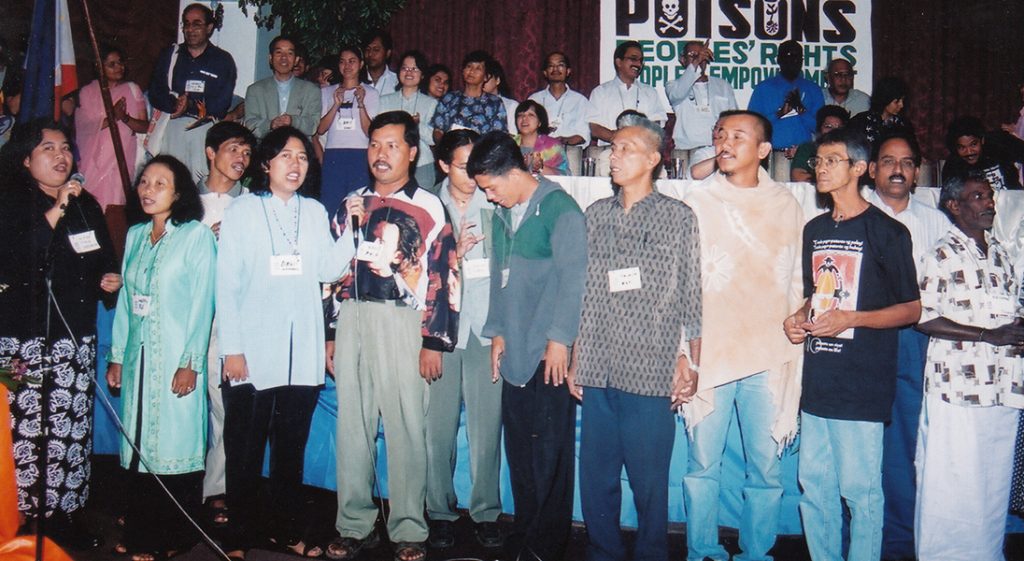
The First PANAP Congress was held in Manila, Philippines in 2003, with over 140 participants from 17 countries—a culmination of a decade of building partnerships with people’s movements. The Congress united behind people’s food sovereignty, the right to land and food, control over seeds, and building women’s leadership as the major plank of all PANAP programmes and campaigns. That same year, PANAP launched the Save Our Rice Campaign to counter the various threats to Asia’s rice heritage and wisdom.

2004

People’s Caravan for Food Sovereignty

People’s Caravan for Food Sovereignty — 2004

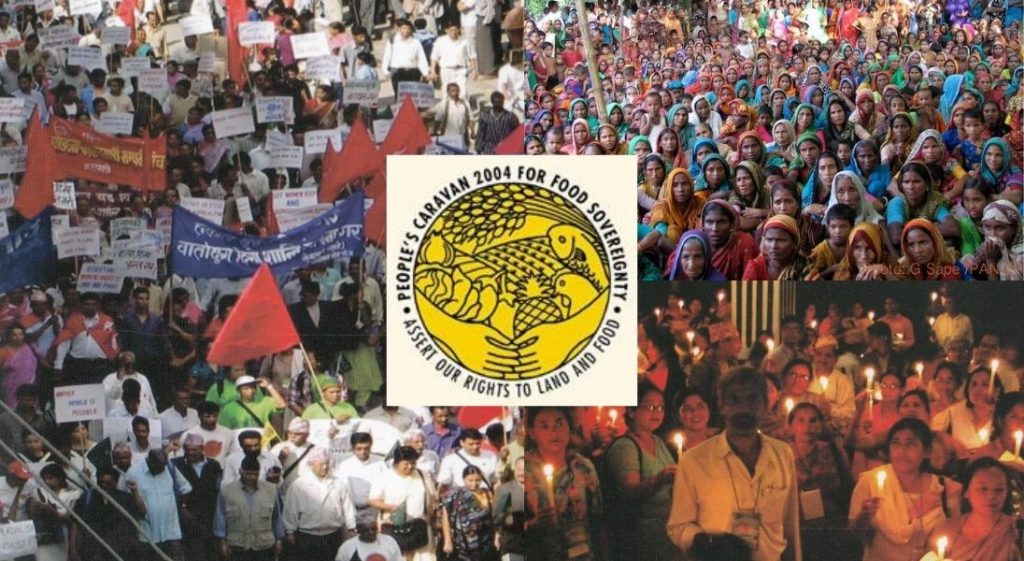
The People’s Caravan hit the road again on a bigger scale, with the theme: “People’s Food Sovereignty: Asserting Our Rights to Land and Food.” Now involving 500 groups, the caravan mobilised over a million people in 16 countries on a month-long journey. It helped define the aspirations of small food producers in Asia, and collected 100,000 signatures for the Convention on Food Sovereignty. Dialogues with government officials were also held to influence policy—in Nepal, a major victory of the caravan was the inclusion of Food Sovereignty in the draft Nepalese Consitution.

2004

Coalition of Agricultural Workers International

Coalition of Agricultural Workers International — 2004

The Coalition of Agricultural Workers International (CAWI) was founded in Penang, Malaysia on May 2005, following a meeting with agricultural associations and trade unions at the People’s Caravan. CAWI amplified the voices and strengthen the unity of agricultural workers in their demands for living wages, just labour laws, and safe working conditions. It later on made a representation to the 32nd Session of the FAO Regional Conference for Asia and the Pacific.

2007

Save Our Rice Campaign

Save Our Rice Campaign — 2007

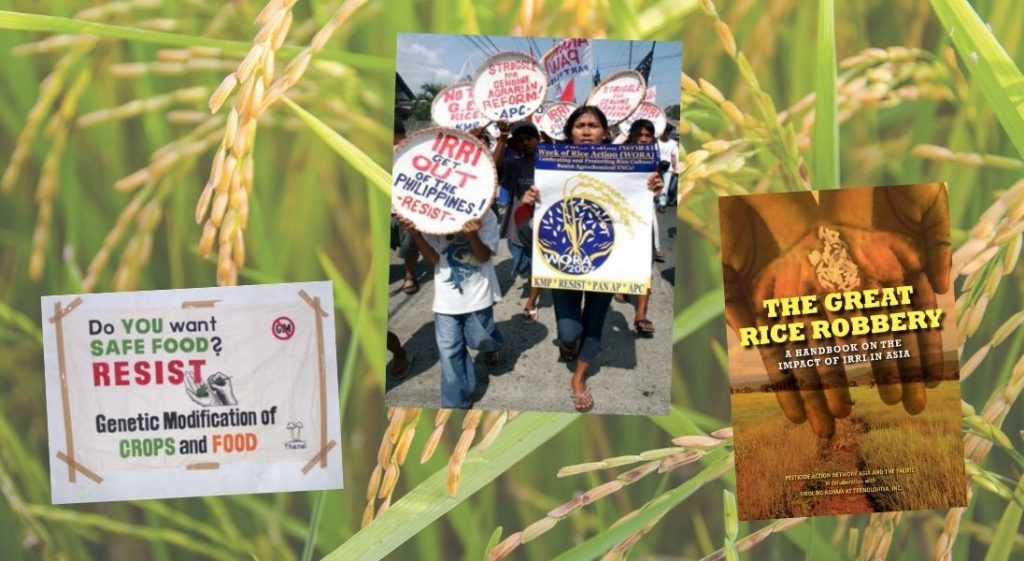
As the threat of genetically-engineered Golden Rice arose, PANAP responded by launching the Week of Rice Action (WORA). As part of the Save Our Rice Campaign, partner organisations mobilised for a one million signature campaign against GE rice, launched the Five Pillars of Rice Wisdom, and conducted awareness raising actions to save Asia’s rice heritage. In subsequent years, WORA would evolve into the Year of Rice Action and culminate in the Collective Rice Action in 2012.

2008

Asian Rural Women’s Coalition

Asian Rural Women’s Coalition — 2008

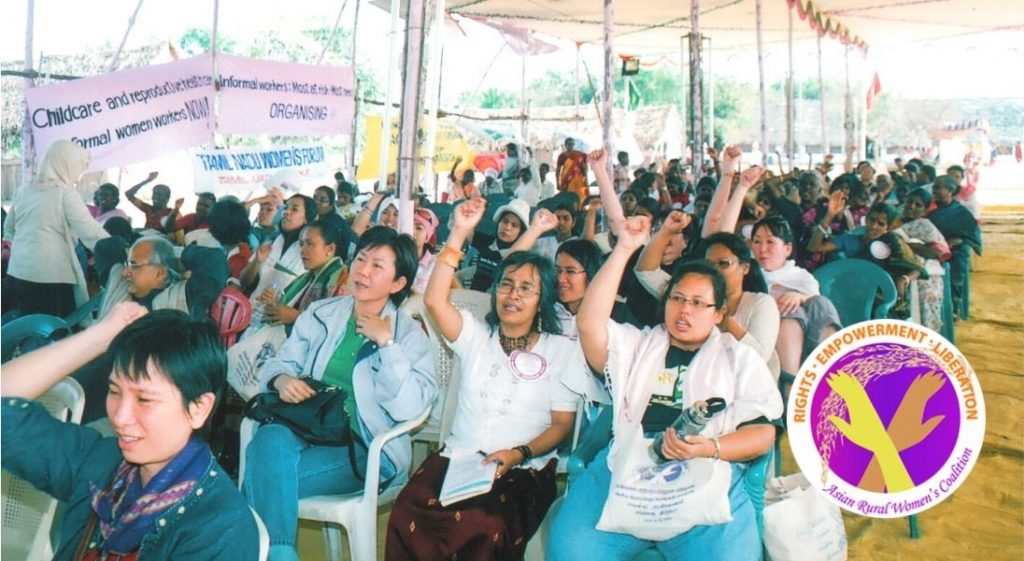
PANAP was instrumental in the formation of the Asian Rural Women’s Coalition (ARWC) to support broader regional and global initiatives in women’s empowerment. The ARWC was formed in Tamil Nadu, India, represented by 700 rural women leaders from 21 countries. Since then, the ARWC has been upholding the rights and interests of rural women in Asia, through advocacy work, information sharing, and linking struggles of Asian rural women.

2010

Communities in Peril Report

Communities in Peril Report — 2010

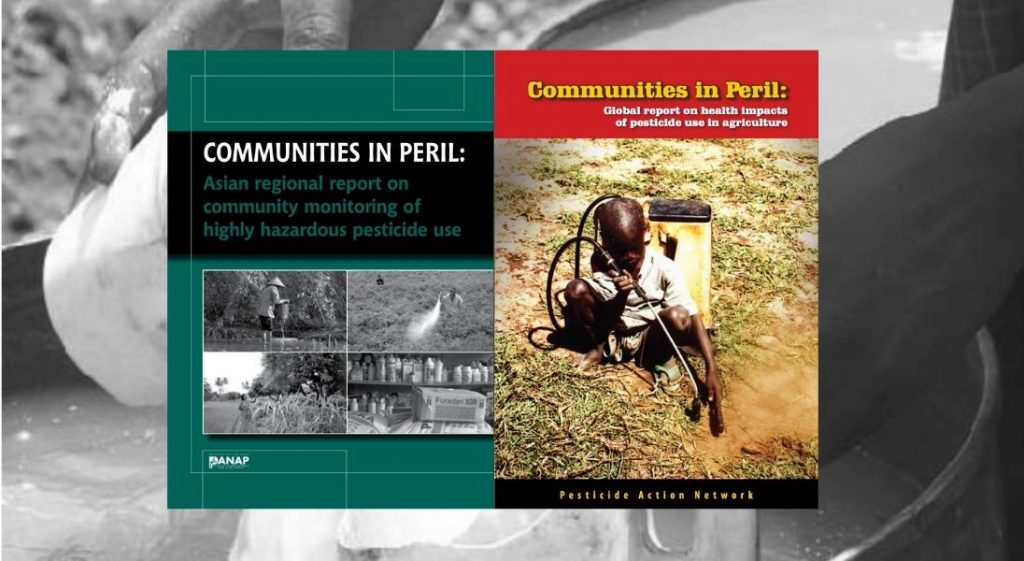
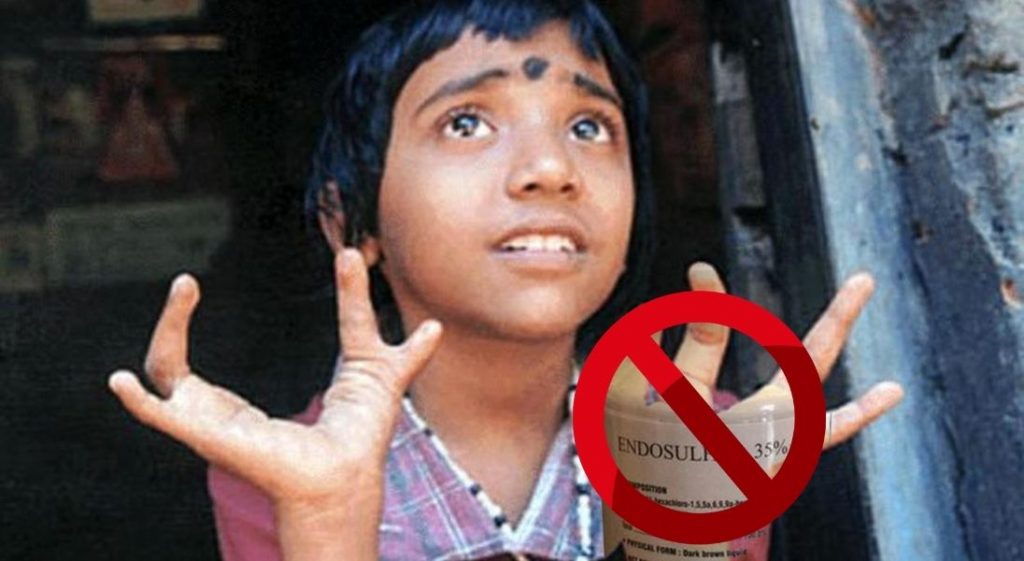
PANAP’s landmark reports Communities in Peril documented the health impacts of pesticides use in agriculture in Asia and all over the world. As a result, United Plantations in Malasyia phased out two Highly Hazardous Pesticides, paraquat and mocrotophos; while endosulfan spraying was stopped in Kasargod, India. The reports were also instrumental in PAN’s lobbying efforts at the international level. A year after, endosulfan was listed as a Persistent Organic Pollutant and included in the Rotterdam and Stockholm Conventions for global phase-out.

2011

Permanent People’s Tribunal on Agrochemical TNCs

Permanent People’s Tribunal on Agrochemical TNCs — 2011

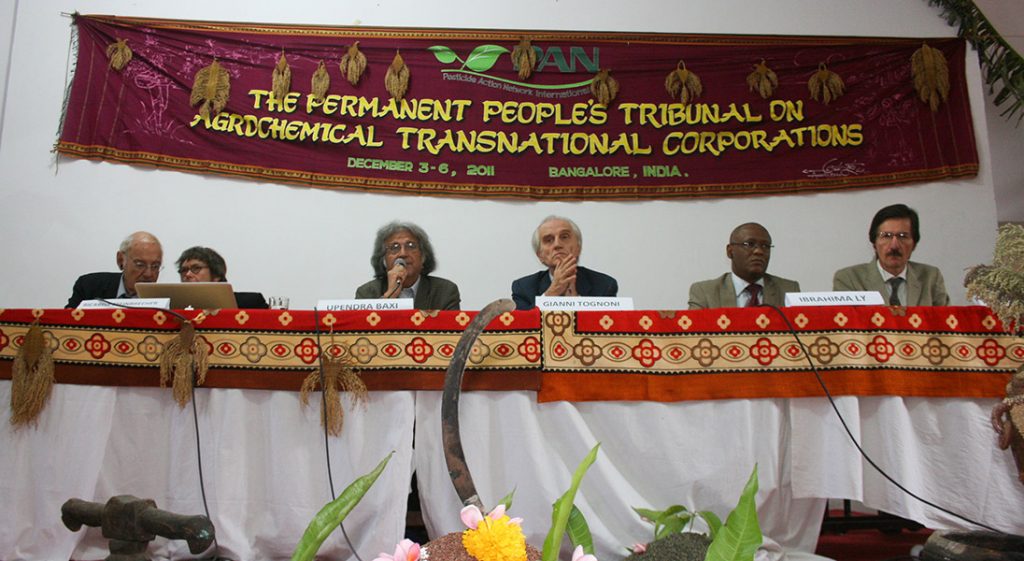
Rising from the need for a global system of corporate accountability, PANAP helped organise the historic Permanent People’s Tribunal (PPT) on Agrochemical Corporations in Bangalore, India. Poisoning survivors and technical experts testified in front of an eminent international jury, which were also provided extensive documentation by PAN on the “crimes” of the top six agrochemical TNCs throughout the past several decades. The jury found Monsanto, Bayer, Syngenta, Dow, Dupont and BASF guilty for various human rights violations. The PPT marked the beginning of PANAP’s more active use of human rights instruments to highlight pesticide impacts.

2012

Endosulfan Ban

Endosulfan Ban — 2012

In 2012, most countries ceased the use of endosulfan, a highly toxic organochlorine insecticide, after 120 nations agreed to ban it under the Stockholm Convention in 2011. The global ban on endosulfan was a major success in the advocacy work of PANAP, which heavily campaigned for its ban for many years. PANAP and its partners documented the effects of endosulfan in various places, particularly in Kasargod, Kerala, India where it caused heavy suffering among communities living near cashew plantations.

2014

Protect Our Children Campaign

Protect Our Children Campaign — 2014

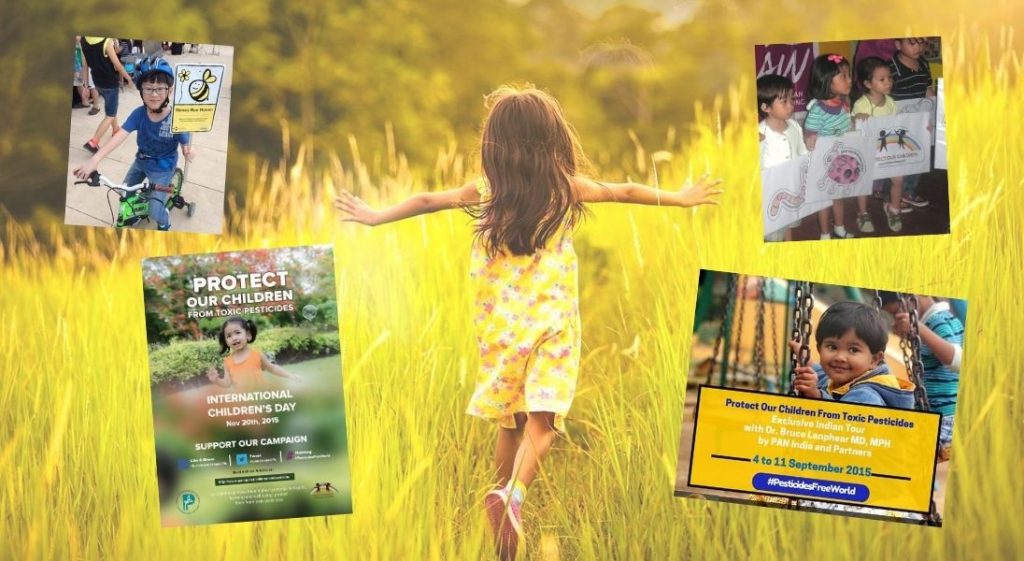
In 2014, PANAP launched the Protect Our Children from Toxic Pesticides (POC) Campaign in 11 countries to address the special vulnerability of children to pesticide impacts. Publications and information materials, including a children’s storybook, were widely distributed. Campaign success in subsequent years include the adoption of pesticide-free buffer zones around schools in Cambodia and Vietnam and the inclusion of PANAP recommendations on reports by the UN Special Rapporteurs on Chemicals and Waste and the Right to Food. The POC Watch continues to monitor pesticide poisoning of children across the globe.

2015

No Land, No Life Campaign

No Land, No Life Campaign — 2015

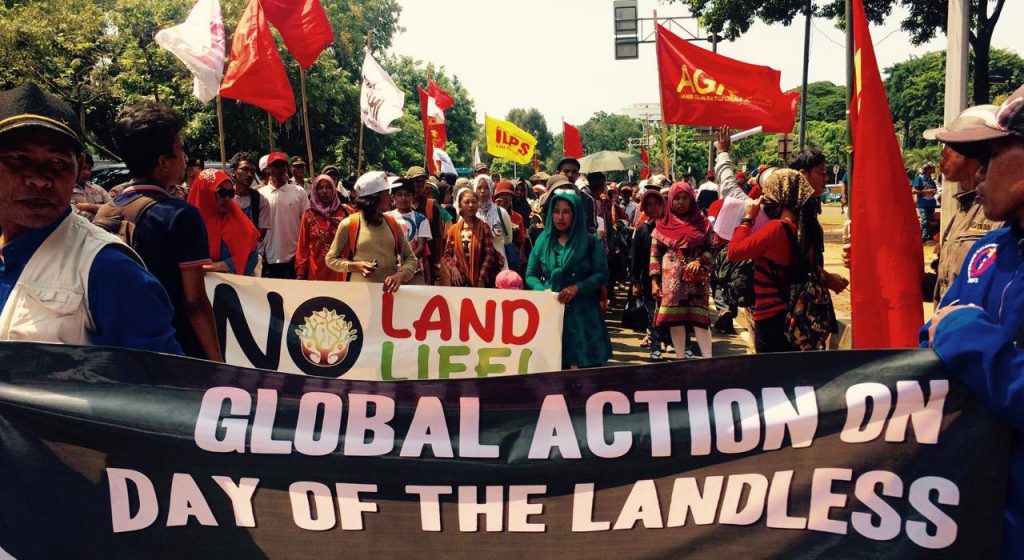
In 2015, PANAP launched its No Land, No Life campaign. This campaign against land and resource grabbing has since become one of the pillar of PANAP’s work among indigenous peoples and food producers in the region who increasingly grapple with the entry of foreign agricultural companies and destructive projects into their lands. Fact-finding missions, people’s rights trainings, monitoring of land-related human rights violations, and an annual commemoration of the Day of the Landless are held under the banner of #NoLandNoLife.