
Facebook Twitter Youtube Instagram
Search
  • Home
  • About Us
  • Campaigns
    • Ban Highly Hazardous Pesticides
    • Protect Our Children
    • Women Rise Up
    • Agroecology In Action
    • No Land, No Life
  • Resources
  • Media
    • Media Release
    • Features
  • Get Involved
    • Donate
    • Sign Our Petition
    • Subscribe
    • Join our Events
Menu
  • Home
  • About Us
  • Campaigns
    • Ban Highly Hazardous Pesticides
    • Protect Our Children
    • Women Rise Up
    • Agroecology In Action
    • No Land, No Life
  • Resources
  • Media
    • Media Release
    • Features
  • Get Involved
    • Donate
    • Sign Our Petition
    • Subscribe
    • Join our Events
  • Home
  • About Us
  • Campaigns
    • Ban Highly Hazardous Pesticides
    • Protect Our Children
    • Women Rise Up
    • Agroecology In Action
    • No Land, No Life
  • Resources
  • Media
    • Media Release
    • Features
  • Get Involved
    • Donate
    • Sign Our Petition
    • Subscribe
    • Join our Events
Menu
  • Home
  • About Us
  • Campaigns
    • Ban Highly Hazardous Pesticides
    • Protect Our Children
    • Women Rise Up
    • Agroecology In Action
    • No Land, No Life
  • Resources
  • Media
    • Media Release
    • Features
  • Get Involved
    • Donate
    • Sign Our Petition
    • Subscribe
    • Join our Events

Lawmaker Urges Ban on Deadly Herbicide Paraquat Dichloride

by PAN Asia Pacific
April 8, 2026
in Update
Lawmaker Urges Ban on Deadly Herbicide Paraquat Dichloride
Share on FacebookShare on Twitter

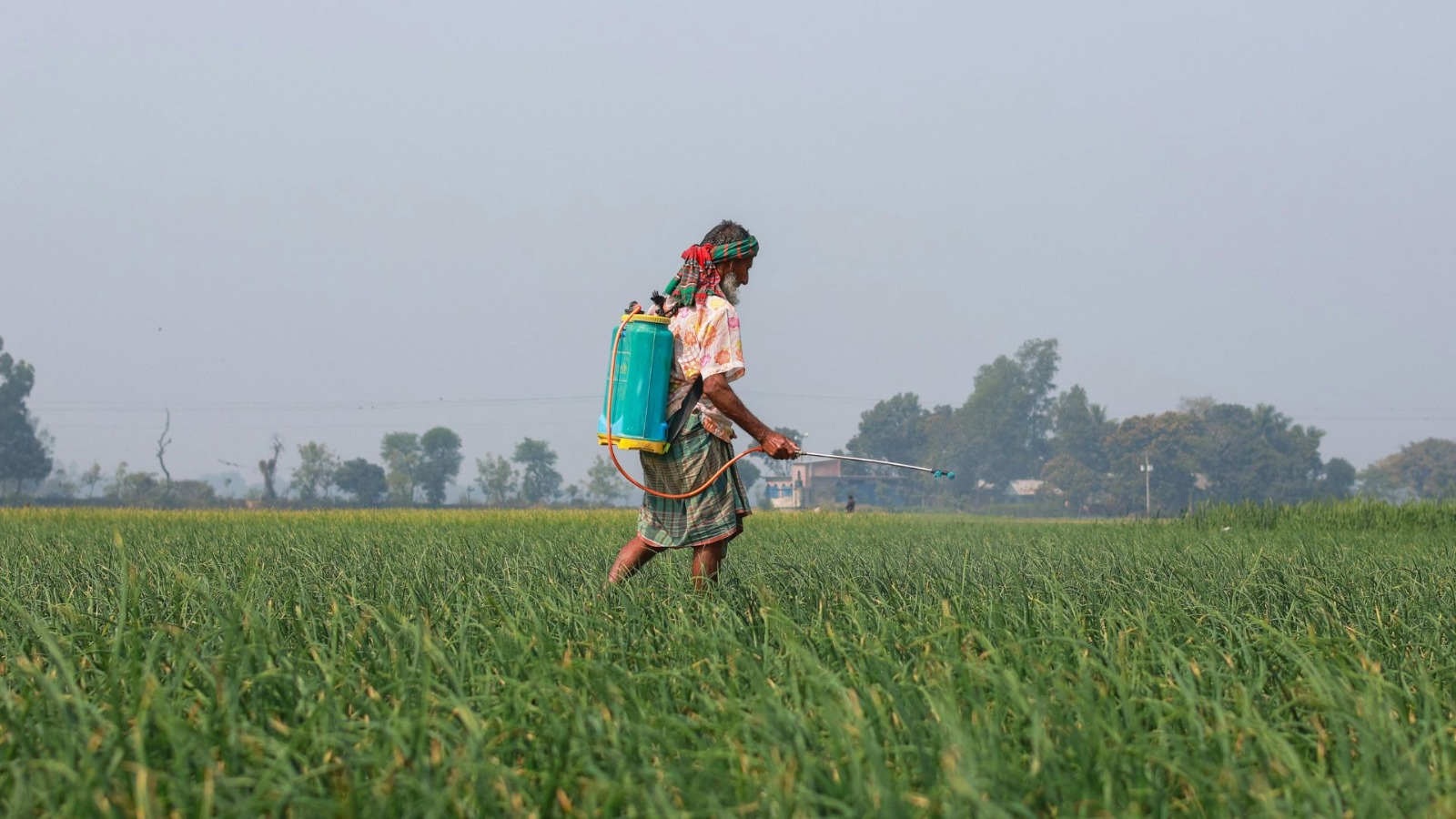
A lawmaker from India raised alarm over the widespread use of the highly toxic herbicide paraquat dichloride. Dr. Kadiyam Kavya, a congress member of the parliament from the city of Warangal in Telangana, calls for the pesticide’s immediate ban to safeguard farmers, rural communities, and the environment.

Speaking during a congress session, Kavya warned that paraquat is contaminating soil, water, and sand while posing grave risks to human health. She highlighted its misuse, noting its near-100% fatality rate and the absence of any antidote. 

Her demand echoes appeals from medical bodies such as the Indian Medical Association (IMA) Telangana and other parliamentarians, who have flagged the herbicide’s dangers and pressed for safer alternatives, improved packaging, and awareness campaigns.

Paraquat is classified as a highly hazardous pesticide (HHP). Exposure can damage the liver, kidneys, stomach, intestines, and respiratory system, with inhalation posing severe risks to lung health. Large evidence has also linked exposure of paraquat to developing Parkinson’s disease. Despite its toxicity, it remains in use across India’s agricultural sector.

The pesticide has also become one of the preferred means for self-harm in rural areas, urging Kavya to call for the prohibition of its production. Recently, an actor has also joined the calls for the immediate ban of the widely-available chemical, after losing his brother to paraquat poisoning.

Civil society groups including Pesticide Action Network (PAN) India, in collaboration with PAN Asia Pacific (PANAP), are campaigning to eliminate paraquat and other HHPs. Their initiatives include farmer education, consumer awareness, and scientific research into long-term impacts. Advocates argue that policymakers must prioritize farmer welfare and environmental protection over corporate profits.

“Pesticides are designed to kill life,” PAN India noted in their 2022 report, which examined paraquat alongside chlorpyrifos, fipronil, and atrazine. “They are not only harming communities but also contributing to climate change. Banishing them is essential for conserving Earth’s biodiversity.”

As pressure mounts from lawmakers, medical associations, and advocacy groups, the debate over paraquat dichloride underscores a broader reckoning with pesticide regulation in India. Last month, a major paraquat producer, Syngenta, has announced its withdrawal from paraquat production by the end of June. Yet, the call for a complete global ban still continues.

Currently, the Telangana government has announced a 60-day ban on paraquat and its derivatives, citing serious risks to human health and animal safety.


 

Tags: Ban Highly Hazardous PesticidesCorporate Accountability
ShareTweetPin
Previous Post

Global Landless Speakout: Defend our land and territories! Forge a future free from imperialist control!

Next Post

New Factsheet Release: Digitalisation in Agriculture

Next Post
New Factsheet Release: Digitalisation in Agriculture

New Factsheet Release: Digitalisation in Agriculture

No Result
View All Result

Recent Posts

  • Growing Global Solidarity for Agrarian Justice: Day of the Landless Campaign Gains Momentum
  • New Factsheet Release: Digitalisation in Agriculture
  • Lawmaker Urges Ban on Deadly Herbicide Paraquat Dichloride
  • Global Landless Speakout: Defend our land and territories! Forge a future free from imperialist control!
  • The Urgent Need to Phase Out Hazardous Pesticides

Categories

  • Announcement
  • Blog
  • Concept Note
  • Declaration
  • Feature
  • Media
  • Policy Advocacy
  • Publication
  • Uncategorized
  • Update
  • Video
  • Webinar

Our Campaigns

Ban Highly Hazardous Pesticides

Pesticides are a major health and environmental threat that must be eliminated
READ MORE

Protect Our Children

How children are impacted by pesticides and how we can protect them
READ MORE

Agroecology In Action

The movement for an alternative to chemical-based, corporate agriculture
READ MORE

No Land, No Life

Communities fighting back against land and resource grabbing
READ MORE

Women Rise Up

Rural women assert their rights to to health, safe environment and sustainable livelihoods.
READ MORE

Archives

Get Involved

  • Donate
  • Sign Petition
  • Subscribe
  • Join our Events

Connect with our Social Networks

Facebook Twitter Youtube Instagram

Networks, Partnerships and Portals

Pesticide Action
Network International

Our Fields, Our Health: Communities Monitoring Pesticide Impacts

International People's
Agroecology Movements

Coalition of Agricultural
Workers International

Asian Rural Women's Coalition

Contact

Mailing Address:
48-1,  Persiaran Mutiara 1, Pusat Komersial Bandar Mutiara, 14120 Simpang Ampat, Penang, Malaysia

Telephone: +604 5022337  

Email: info@panap.net

Copyright © 2020 · PANAP · All Rights Reserved.

Logo

[ Placeholder content for popup link ] WordPress Download Manager - Best Download Management Plugin

This website uses cookies. By continuing to use this website you are giving consent to cookies being used. Visit our Privacy and Cookie Policy.